What about rocks?
On Epicurean premises, a rock is not “dead.” It is non-living and non-sentient. Death is a transition undergone by something that was alive; a rock never possessed awareness that could be lost.
A rock therefore cannot be harmed in the same experiential sense as an animal or person. It cannot suffer, fear destruction, regret being broken, or experience deprivation. If it is smashed into gravel, something has happened to it, but nothing has happened for it, because there is no point of view from which the change is bad.
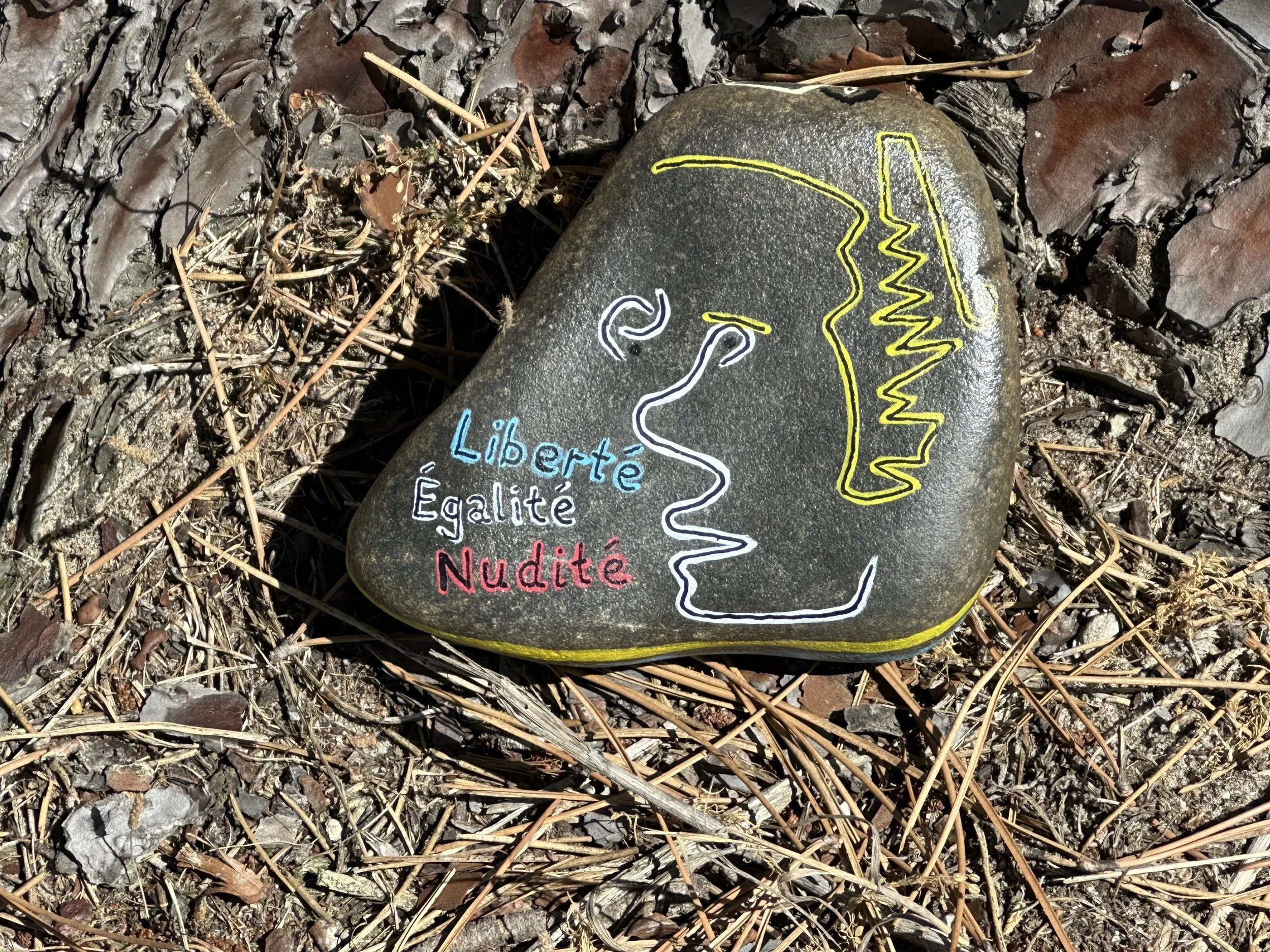
That produces several useful distinctions:
A person can die and cease to experience.
A rock can change, erode, fracture or cease to exist as that particular object.
The matter composing either one continues in different arrangements.
But it does not follow that rocks are morally irrelevant. A rock formation may have ecological, scientific, aesthetic, historical or sacred value. Destroying it may harm animals, communities, future people or a landscape. A unique geological formation may also be regarded as valuable in itself, even though it has no welfare or interests.
So there are at least two different claims:
The rock has no subjective interest in continuing to exist.
Its continued existence may nevertheless matter.
The same distinction applies to buildings, artworks, forests considered as systems, cultural sites and institutions. They do not necessarily experience anything, but their destruction can still constitute a real loss.
This also clarifies the Epicurean argument. “What lacks awareness is nothing to us” means that a deceased person does not experience being dead. It does not mean that everything without awareness is worthless, or that destruction has no consequences.
A concise formulation would be:
Sentience determines whether something can suffer a loss; it does not determine whether its loss can matter.